
Why Are People So Unkind? People are Mean as a Way to Cope with their own Inadequacy, Lashing Out & Unkindness
“How people treat other people is a direct reflection of how they feel about themselves”
- Paul Coelho.
It’s not about you. It’s not about me, either. Why are people so unkind?
There are probably many reasons, but one is depression. It is a strange wasteland, filled with unpredictability and self-flagellation, where everything that was once beautiful, bright and full of possibility is now stretched before us in an ever expanding barren landscape of hopelessness. Alone and miserable, those who suffer from this disease have side effects just like any other sickness. Sometimes these side effects may present itself as unkindness, being mean to others or being a bully.
Depression can shift a person from optimism and kindness to impatience and constant social anxiety. They may have a strange conviction that those around them will find them boring, annoying, or self-obsessed and this sends them even further into the cycle of sadness.
Think about this for a moment, if you believed no one really wanted you around, wouldn’t you feel irritable and short-tempered? Now, for a moment, think about the last person who was rude to you and said something unkind or thoughtless.
How does that Person Feel about Him or Herself?
We can see there are many reasons why people are mean and lash out at others. Their mean behavior is a symptom of them feeling inadequate at a fundamental level of their being. Bullying is a serious issue with many people - 65 per week on average, in Australia taking their own lives. Torment, mistreatment, harassment and bullying figure in some of these cases.
Low Self-Esteem and Unkindness
People who feel bad about themselves sometimes take it out on others. When someone’s struggling with their self-worth, they might project their insecurities onto those around them—sometimes by being outright nasty, because deep down, they feel powerless or not good enough.
Bullying isn’t just name-calling or pushing people around—it can be exclusion, gossip, insults, or trying to tear someone down to feel better. The thing is, most bullies don’t even realise they’re acting out their own insecurities. Instead of dealing with their own stuff, they attack others, thinking it’ll give them a sense of control or make them look better. Spoiler: it doesn’t.
The real kicker? Bullying feeds a sense of unworthiness on both sides. The victim ends up feeling worthless, and the attacker—despite their temporary ego boost—often feels like garbage later on. Guilt, loneliness, and that nagging feeling that something’s missing—it all catches up eventually. It’s a vicious cycle that wrecks confidence, mental health, and relationships.
The way out? Sorting out self esteem from the inside out. Learning to be kind to yourself makes you less likely to drag others down. When people actually see their own worth, they don’t need to tear anyone else apart. That’s why building self-compassion, resilience, and genuine confidence is so important—it stops the cycle before it even starts.
We also need to call out toxic behavior and create environments where people feel supported. Schools, workplaces, and communities should focus on teaching empathy, conflict resolution, and mental health awareness—because at the end of the day, we’re all human, and kindness costs nothing.

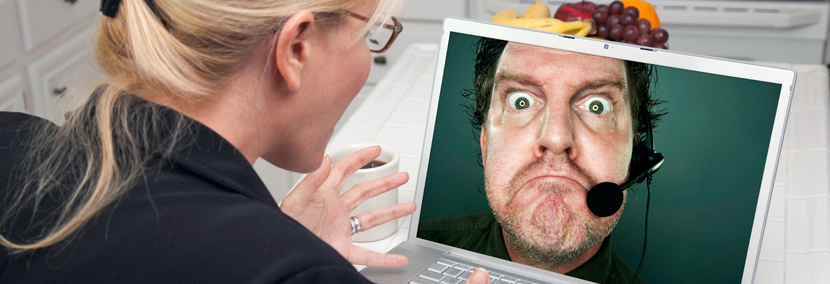
Why is she so angry?
Everyone Being So Mean
To the person who is victim of mean behaviour, it may feel as though everyone is being so mean. Of course, not everyone is, but obviously at least one person is being mean. That person may be hurtful, get angry and engage in other negative behaviors through a warped lens of thinking 'well they deserved it', instead of thinking logically that everyone deserves to be loved or at least respected for being human.
These harassers struggle to regulate their emotions or may even be struggling with their mental health.
Mental Health and Bullying
The mental health of both the bully and the one on the receiving end of that behaviour, can be deeply affected. Often their mental health changes in ways that are not immediately visible. For those engaging in the oppression of others, struggles with underlying emotional wellness are often a significant factor. They may be struggling with depression or other mental illness. Borderline personality disorder can cause intense mood swings, impulsivity, and difficulty managing relationships. When someone is grappling with these challenges, they may strike out as a way to cope with their own internal turmoil. Unfortunately, this often leads to other negative things, including harm to others and an ongoing cycle of unhealthy behaviour.
In many cases, the threatening person might even try to numb their pain through behaviours that hurt both themselves and those around them, leading to an exhausting mental health journey. These individuals might find themselves caught in a cycle of feeling inadequate or misunderstood, which can trigger further issues with self esteem.
Dementia and Threatening Behaviour
Here's another reason why some people hurt others - early onset dementia. This can start as a result of alcohol and substance abuse when people are in their 30s and 40s. As these dementia patients decline, sometimes bullying-like behaviour comes into play. Such cognitive decline can cause confusion, irritability, and frustration, leading to aggression or inappropriate actions. This behaviour, often misunderstood, is typically a result of the disease, rather than the person’s character.
Bullying takes a serious emotional toll on its victims. Constant exposure to harsh treatment can chip away at their self-worth, making them feel isolated and worthless. Over time, they may internalize these negative things, leading to struggles with depression and anxiety. This emotional toll can make it hard to maintain healthy boundaries or even recognize their own high standards and needs.
When someone’s emotional wellness is compromised, it can lead to a downward spiral where they question their own value or struggle to assert their feelings in relationships. In some cases, mental health professionals might prescribe medication to help manage symptoms of depression or anxiety, but therapy and self awareness are often key components in navigating this painful experience. Both individuals, whether they are causing harm or receiving it, may benefit from understanding their emotions and working towards healing in order to break free from this cycle.
Intimacy, Insecurity and Self-Awareness
Struggles with emotional regulation may affect all areas of life, particularly regarding intimacy and self-awareness. When someone has difficulty managing their emotions, they can create barriers to forming and maintaining close, meaningful relationships. Due to their own behaviour they may avoid or push others away due to fear of vulnerability. Conversely, they may become overly clingy in an attempt to seek reassurance. These people might end up being mean towards others due to emotional instability. This can lead to cycles of insecurity, where they constantly doubt their worth or the intentions of others, making it challenging to fully open up and connect on a deeper level. This is another reason why are people are so unkind.
This lack of emotional regulation also plays a significant role in self-awareness. Without the ability to manage their emotions effectively, these individuals may struggle to understand their own needs, desires, and boundaries. They may act out of impulse, rather than understanding the root causes of their emotions, which can lead to misunderstandings or unhealthy patterns in relationships. Building emotional regulation is key to improving both closeness with other and self awareness, as it helps individuals cultivate healthier relationships with themselves and others.
Whatever the reason as to why are people so unkind - threatening and mean behaviour is not ok ever.

Seek Professional Support
Some therapists point out that people who suffer from depression often begin as sensitives - those who feel too much, are afraid to bring up issues that might offend those around them or could damage a relationship. They internalize the meanness that was shown to them, especially as children. Then with all these feelings inside, they begin to wonder what is wrong with them, not with the relationship or the situation. It's a child's natural response to think it's their fault, something they must have done. Then they begin to act like the person who abused them. Instead of being kind to others when they can, they are mean in order to feel something. This occurs even if it's only a temporary sense of power they experience over another. Furthermore, they tend to assume that when others are mean, rude, or offensive towards them it was something that they did.
However, as the depression worsens, that person becomes more irritable and may act on their short temper. Bam! Now, they are becoming rude and unkind to those around them. Therapy can benefit a person by helping them manage their emotions, understand the underlying causes of their behaviour and develop healthier coping strategies, ultimately fostering better relationships and emotional stability.
Unconscious Thinking?
One doesn’t wake up in the morning thinking - Today, I am going to hurt people's feelings. But when someone feels down about themselves, then those feelings spill over onto everyone around them. It's almost as if the emotional tap doesn't stop leaking, except they're leaking out strong feelings all over the place. This is another reason we can consider when asking why are people so unkind?
A psychic reading may help you determine if you are doing this in your own life. If you are lashing out or someone is having a go at you, it's possible the root is depression and this is a way to insulate tender feelings. Often those who are depressed are cruel to those who are closest to them. They don't show compassion to themselves or others and act in ways that actually hurt themselves eventually.
Those who are depressed have convinced themselves they are unworthy of love. You don’t have to tolerate it or internalise it as your fault. If you are the one feeling depressed, listen closely to your destructive, self-critical thoughts. Are these thoughts correct and based in realty or is your mind twisting the situation?

Your Voice Matters
Having someone you trust to talk to can help you understand why are people so unkind. Consult with one of our Australian clairvoyants and psychics to gain clarity of mind with an email reading or phone psychic reading at www.absolutesoulsecrets.com. Absolute Soul Secrets offers free information on their website such as free horoscopes, tarot card predictions, astrology, which you may find helpful to your situation.
Additional Resources
Here are some resources for people struggling with bullying, depression, and low self esteem, covering different types of support, including crisis helplines, therapy options, self-help resources, and online communities.
Immediate Crisis Support
If someone is in crisis or feeling suicidal, it’s crucial to reach out for immediate help.
Australia
Lifeline – 13 11 14 (www.lifeline.org.au)
Beyond Blue – 1300 22 4636 (www.beyondblue.org.au)
Kids Helpline (for under 25s) – 1800 55 1800 (www.kidshelpline.com.au)
Headspace - youth mental health – (www.headspace.org.au)
Black Dog Institute – Research-based mental health resources, good for depression and suicidal thoughts
United States
988 Suicide & Crisis Lifeline – Dial 988 (www.988lifeline.org)
Crisis Text Line – Text HOME to 741741 (www.crisistextline.org)
The Trevor Project (LGBTQ+ youth) – 1-866-488-7386 or text START to 678-678 (www.thetrevorproject.org)
United Kingdom
Samaritans – 116 123 (www.samaritans.org)
Shout (Crisis text support) – Text SHOUT to 85258 (www.giveusashout.org)
YoungMinds (Mental health for young people) – Text YM to 85258 (www.youngminds.org.uk)
Other International Resources
Befrienders Worldwide – Find crisis helplines in any country (www.befrienders.org)
Bullying & Self-Esteem Support
Bully Zero (Australia) – www.bullyzero.org.au
StopBullying.gov (USA) – www.stopbullying.gov
Ditch the Label (Global) – www.ditchthelabel.org (Anti-bullying and self esteem support)
ReachOut Australia – www.au.reachout.com (Mental health, threatening behaviour and self esteem support for young people)
The Diana Award (UK) – www.antibullyingpro.com
Books & Self-Help Guides
The Gifts of Imperfection – Brené Brown (Self-worth and overcoming self-doubt)
Self-Compassion: The Proven Power of Being Kind to Yourself – Dr. Kristin Neff
Dare to Be Kind – Lizzie Velasquez (Overcoming mistreatment and self-esteem struggles)
Online Communities & Forums
The Mighty – www.themighty.com (Mental health and support groups)
Rethink Mental Illness (UK) – www.rethink.org
SANE Australia Forums – www.saneforums.org
All the best x
Watch Rose on Facebook every Monday 8.30am AEST
Read more articles