

All About Pet Psychology: A Fun Guide to Companion Dog, Cat & Animal Behaviour
This is mildly humorous but thoughtful entertainment on pet psychology. It is based on a womanspassion.com magazine article plus insight from Dr. Harry and other sources about psychology and pets. It was originally written by Psychic Judith in 2013. Judith has since retired to a chill life of i-ching and tarot studies. Rose has recently updated this pet psychology article and advises it can be taken as seriously or not, as you like.
Anyone can draw conclusions about a person, by looking at their pet. Some people even look like their pets. Therefore the pet can be an extension of themselves. But few of us realise that a marked antipathy for a type of animal also has meaning. We offer for your entertainment, a short manual on the psychology of admirers and opponents of different kinds of animals. Dogs and cats interested in pet psychology rejoice!
The Cat and Who Likes Them?
Women and Cats
The feline so divine is a symbol of femininity and independence. In mythology cats, were linked to the feminine. Hence now this association seems to be permanently supa-glued in our minds. A woman can imagine herself as a mysterious, graceful, languorous, downy and feisty feline. A pet is an alter ego of its owner, so if one dislikes a cat, they also dislike it's owner.
Ladies, who combine the qualities of both sexes harmoniously, usually enjoy the company of a feline with a strong personality. Feline lovers would say that such women may be beautiful, feminine and sweet but persistent in reaching their goals. The childless person can always replace their missing baby with a cat. Kittens need care and tenderness, as they are playful and naughty, much like a child. Cray cray cat ladies are a 'thing' now, as women defy outdated stereotypes, standing independently with a bunch of feline admirers. Additionally, a very lonely woman with a macho feline may treat men distrustfully and enter into those intimate relationships almost unwillingly.... as felines are simply better!
Cats and Health
Children generally love cats, because in one way they resemble a mother’s image stamped in our memory i.e. warm and soft. A man who likes felines accepts a woman’s right to be independent. As for a bachelor with an adorable cat, he is all-sufficient and may be slow to marry, as he already has a “girlfriend” substitute.
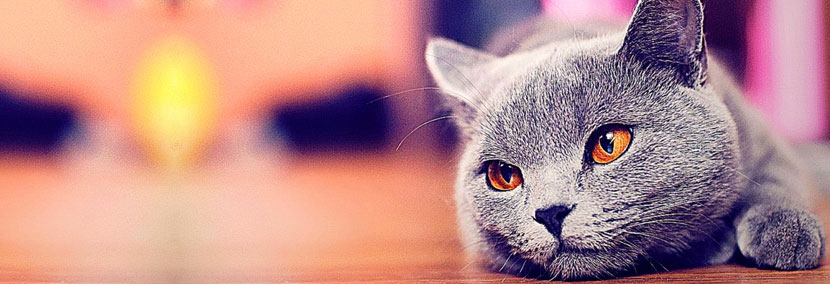
Stroking a purring kittycat can lower blood pressure and lower tension. Cats are known to actually use purring as sound vibration to comfort, heal and soothe themselves. Thus purring helps us with stress and enhances our physical health and wellbeing. Additionally, being a pet owner also improves mental health and emotional support. Not to mention, it gives humans live-in animal-assisted therapy for their own problematic behaviors. Your therapist works for treats, judges you silently and occasionally knocks your things off the table just to keep you humble.
Who doesn’t like Cats?
An extreme reaction such as hatred against cats might mean antipathy to the whole female sex. There’s even such a term as “cat-phobia”. If a woman hates cats, this can mean denial of aspects of her femininity and is fearful of her own independence. Feline cruelty is a sign of a vindictive character trait that begins in childhood and often escalates in adulthood, if uncorrected. Therefore this is an indicator of a deeper cognitive issue that requires serious attention.
The Dog and Who Likes them?
For a woman, her dog can represent a relationship with a man, even if the dog is female. Looking at a dog’s breed, you can always tell which male qualities its owner values most of all. A large dog means that its owner needs a prominent defender and reliable support.
A woman who buys a bulldog values devotion, trustworthiness, constancy and a sense of humour in her partner. A lady with Doberman has strong will power and challenges men. “Who of you can protect me better than he does?” A lady with a snappy, malicious canine makes great demands of men, she has great expectations and is seldom happy in relationships.
Men and Dogs
A man usually identifies himself with his dog. That’s why a quiet accountant, walking with a bull terrier, is secretly aggressive. A man, who likes a long haired collie is sentimental and vulnerable. However, in a critical situation, he is courageous and protective of his flock to the uttermost. The man who buys a Rottweiler has a sharp nature - tends to be a loner - and is tamed with difficulty.
People with very hostile ferocious dogs are often trying to hide criminal activities or nasty secrets, by keeping people well away from their homes. Because of the need for control and discipline, many of these dog-fanciers, may strive for strict control over life and family.
Children and Dogs
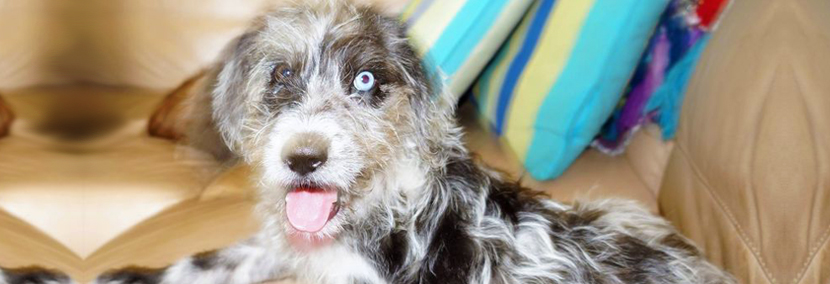
A child searches for a friend and a defender in a dog. An overly strong desire of a child to have a puppy can speak about an inner loneliness or a fear of life. Consequently, such a desire maybe less about a wish to have a companion for playing games. It won’t be enough just to buy a puppy, you also need to address the issue of their fear or anxiety.
Those who most appreciate dogs are of course the millions of people who rely upon certain breeds as guide dogs, sniffer dogs, rescue dogs, police dogs, etc. These people may see them as friends and helpmates, rather than fulfilling an emotional need.
Who Doesn’t like Dogs?
Those who can’t bear dogs, are often timid or afraid of what they see as only a biting, loud predator. Furthermore, many people don’t want to become the pack leader and don’t want to be bothered with all the work and discipline involved. For without it, a dog will easily show you know who is boss.
Additionally, people often choose dogs who look like them so the dog can stand in for them at work—especially on Zoom calls where no one’s really paying attention anyway.
Remember, a dog loves to play - to have company - and to have work to do. Therefore, choosing the right dog for your lifestyle, sufficient space and a healthy environment are vitally important for the sanity of both dog and owner. Not to mention the neighbours who have listen to all the unnecessary barking for attention. Besides the dog makes a lot of noise too.
The Horse and Who Loves Them?
Horsey people are a breed of their own. They love and admire the physical strength and beauty of the horse. Consciously or not, horse owners appreciate the symbolism of horsepower. Additionally, they tend to be drawn to risk, challenge and mastery. There’s always an untameable aspect to contend with, as the horse must be convinced to tolerate a rider who may be slightly out of control and in need of some powerful guidance.
Therefore, the owner must be awake and alert—able to exert enough mental mastery to match the horse. A touch of riding skill is also appreciated by the horse. An accomplished rider may see themselves as a true animal psychiatrist, but more often than not, it's the horse who's the real applied animal behaviourist. Just as well too, —so any behavioural issues can be nipped in the bud before the human strays too far off track.
The racehorse is like a well-trained athlete. However, there may be a certain ruthlessness present in the race horse owner and trainer. Consequently, the horse must deal with these aspects with a firm but compassionate attitude, less the human suffers from delusions of grandeur.
Horses in Modern Times
Nowadays, of course, horses have the upper foot, coaxing humans into providing endless treats, luxurious stables and spa-like care in exchange for a bit of exercise and the occasional trot around the paddock. It's a symbiotic relationship of sorts, where the horse takes the lead—and the human is more than happy to follow to save problematic situations.
The Manchild and Horses
The relationship between the manchild and ponies is remarkable. It's a blending of minds and hearts that often goes beyond mere behavior and actions. Disabled individuals, in particular, can benefit from supervised horse riding, creating a unique bond that resonates with the horse's agility, balance, and physical control. In these cases, it's often the horse who proves to be the true teacher, meeting its human counterpart at their level. However, for most manchild owners and trainers, the challenge is keeping up with the horse's exacting standards—something that tends to go, well, a bit off track sometimes.
Who are Those who Fear Horses?
Some people are terrified to go anywhere near a horse. Usually, they’re the ones who prefer to avoid risk and don’t feel mentally equipped to handle a creature so large and powerful. Maybe those large, powerful creatures also feel a bit overwhelmed by the sheer size of the beast about to mount them? It’s understandable—some people are taller than your average horse, especially those who lie about their height! But for those horses who aren’t intimidated, it’s all about embracing the challenge.
The Hamster and Guinea Pig and Who Likes Them?
Now, let’s look at the opposite end of the spectrum. Those who love everything small and fluffy often crave the protection, tenderness and care of a strong guardian. They may sometimes feel small and helpless themselves. Children, for instance, often ask for hamsters when they want to feel big, strong, and responsible for caring for something delicate.
Interestingly, children with social and communication issues can experience significant improvements through caring for these small pets. In fact, looking after animals in general can have a transformative effect. Pet ownership helps both emotionally wounded children and adults with behaviour problems heal and improve their emotional well-being.
Who doesn’t like Hamsters and Guinea Pigs
If a person is short tempered, they will hardly ever be drawn to owning a quiet hamster or a peaceful guinea-pig, as they do not represent much of a mental challenge.
Mini Pigs who Turn out to be Macro Pigs and Who Likes Them?
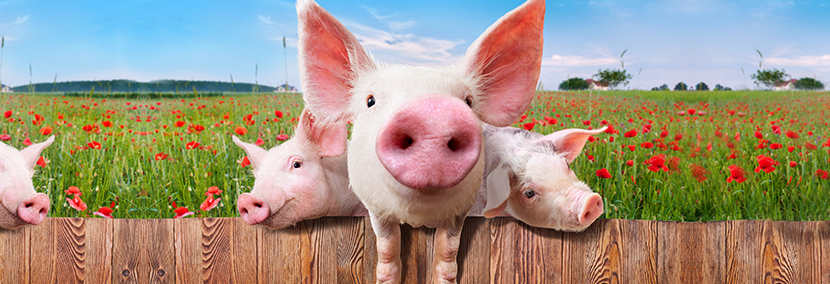
Pint-sized pigs can seem like the perfect pet if you've got the space—but watch out, they grow up to be full-sized porkers. This is much to the surprise of those who were sold the "mini pig" dream. Unfortunately, that whole mini-pig craze was just a scam that caught a lot of people looking for some bacon.
That said, pigs—whether mini or macro—are highly intelligent creatures, even smarter than dogs. They can learn tricks, and yes, some can even count! People who love pigs are generally easygoing, fun-loving individuals.
They're not afraid of a little mess and can handle a hearty appetite, generosity, and plenty of fun. Pigs enjoy a diet of grains, fruit, and vegetables—and so might their owners. They may often find themselves rolling in the mud right alongside their pig, enjoying the same hearty spread. Pigs are sociable creatures, getting along with dogs, cats, geese and other farmyard animals like humans. But, if you're thinking about bringing one indoors, be ready for some mud in the bed when the pig wants to snuggle up with you for a good night's sleep!
Those who don’t like Pigs Large or Small
Those who keep large pigs in very small and confined pens, as in factory farmed pigs (which most are) obviously do not relate to the pig’s emotional or physical wellbeing. People who don’t like pigs (or those who are indifferent to their suffering) are often controlled, disciplined people who like everything neat and in order. They may have an obsessive compulsive disorder related to dominance and control.
You could say they are perfectionists in many ways, unable to appreciate a natural, organic order of things which is not always controllable or tidy. They are the opposite of the hale and hearty, sometimes messy, more-generous pig lovers. Of course if a pig, has movement, companions and comfortable shelter, they will thrive and the owner will be in harmony with our beautiful but messy world. However, for those who couldn’t be bothered with such care, the pig is not for them.
The Rat and who likes them?
A domestic rat is intelligent, white and fluffy. Loving a rat is the same as declaring to the whole world: “I’m not a bore, I have original thought and your stereotypes have no power over me!” The one who likes rats will check everything out thoroughly and only then draw conclusions. They also don’t care about other people’s opinions. If a child brings a rat home, it means they has a rather sociable, curious and kind-hearted attitude.
Who doesn’t like Rats?
Conservative, cautious people who like to stick to the beaten path in life often can't stand the idea of keeping white rats as pets. And the shy, timid types tend to be a bit squeamish around them too.
But there is a deep-seated aversion to rats rooted in something more than just personal preference. Perhaps it harks back to the historical association of rats with unsanitary conditions and poor hygiene. Even though we know they're just playing their part in the natural order as scavengers, that stigma seems to have endured.
And heaven forbid your kid brings home a pet rat - many people just can't muster up any sympathy if the poor thing meets an untimely end. Guess it's all part of that collective cultural bias, passed down through the generations. Still, certain rat breeds can make for pretty charming, if short-lived, companions.
Fish and Who Likes Them?
Three categories of people prefer silent fishes. The first category includes active, emotional, spirited people who like to calm down looking at the slow motions of fish. The second category includes original and somewhat eccentric thinkers. These people like cold-blooded fishes for their contrast to emotional humans and choose to contemplate underwater worlds regularly, as an escape from reality.
Who Doesn’t like Fish in Tanks?
Extremely sensitive people, who cannot stand aggression or restriction in any form. However, it is possible to keep fish in ponds as shown below.
Tortoises or Turtles and Who Likes Them?
According to Chinese mythology, the Earth is resting on a gigantic tortoise’s shell; an embodiment of reliability and constancy. Connoisseurs of comfort and stability, with delicate soul qualities, like to buy the tortoise. A tortoise will never replace either a husband or a friend. If a tortoise lives in the house of a lonely person, it may mean being ready for a long and stable relationship. Turtles in small ponds make interesting pets. Owners in small ponds, don't do as well!
Who Wouldn’t Like a Tortoise?
A slow-moving tortoise would irritate an impetuous, sociable, talkative person, who needs listeners and focuses mostly on themselves. Those who are nervous or flighty would benefit greatly from having a pond for turtles and fish, if they could put in the effort required. For this can engender calm and represents, in Zen terms, harmony with the Tao or flow of life (like water).
What if You Don’t Like Pets of any Kind?
If you are adult and independent, have no home pets and are absolutely indifferent to them, it may mean the following:
Maybe you’ve already got someone to take care of, or to control? You have enough close friends ready to support and protect you. You have no need to pour out your feelings onto something fluffy or feathery.
Perhaps, you don’t get tired of communication with people and connect with them readily.
You don’t want to take responsibility for another living creature. You just want to deal with your own life first and also don’t need to depend on somebody else.
If you don’t like pets and they are uninteresting to you, then you shouldn’t be ashamed of this fact. Sometimes contempt and hatred for humanity are hidden behind an exaggerated passion for animals, when this involves a neglect of human company.
You don't want the additional expense of veterinary fees, veterinary medicine, dog training or therapy sessions for yourself when your pet won't do what it's told.
Our Real Motives for Owning a Pet
Regarding pet psychology as a rule, we subconsciously choose pets for ourselves, following three motives:
- “This animal is an image of myself!” (How many people look just like their pets!)
- “Ah, how I wish I could behave like this!” - a desire for more freedom or escapades.
- “I need the qualities of this creature” - A positive affinity to the best qualities of animals or a resonance to the worst.
Who is the Pet’s Real Owner & Owning a Pet
Even in the biggest family, the idea of buying a pet occurs to one person and all the others agree gladly or reluctantly. The one who had the idea is the real owner and his or her character is reflected in the choice of an animal. So look after your animals, as they are a reflection of yourself and your own body.
Of course in a wider sense, how we treat our animals collectively is a reflection of our whole approach to nature and what we ultimately attract back to ourselves.
Pet Psychology and Companion Animal Behaviour
Pet psychology and companion animal behaviour focus on understanding the mental and emotional states of animals. Just as with people, animals have distinct personalities and needs, Studying pet psychology and their behaviour can help create stronger, more harmonious bonds between pets and their owners. Besides, you might learn more about yourself 🙂
Final Thoughts on Animal Psychology
Well, this concludes our look at pet psychology, animal behaviour and consequent pet owner behaviour issues. There might be some grains of truth in this shallow tome, but find the truth that suits you. Pet psychology offers valuable insights into the behaviours, emotions and needs of our pets, helping us build a stronger human-animal bond. Whether it's understanding a dog's loyalty or a cat's independence, pet psychology helps us become more compassionate and mindful caretakers. Do remember that animals take on the energies of their owners.
More Articles by Psychic Judith
What is My Soul Animal?