
• Call Us Anytime

    1300 934 733

  • Call Us Anytime

    0800 934 733

  • Call Us Anytime

    1 888 934 5669

  • Call Us Anytime

    0800 206 2288

  • Call Us Anytime

    +61 266 536 023

Psychic Email Readings

Why Do Bad Things Happen To Good People?

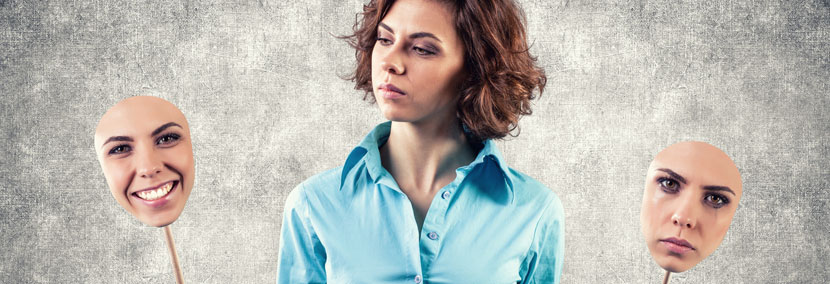
image of woman holding masks showing her attitude

Why do Terrible Things Happen? Why Do Bad Things Happen to Good People?

“Nice guys always finish last.”  “No good deed goes unpunished.”

Have you heard someone utter those phrases, or even said one or two yourself? Or maybe you’ve thought at some time - Why do bad things happen to good people? It’s quite a commonly held belief and many people think this way. Many people express similar frustrations – they talk about all the wonderful things they do for their family and friends and then point out the “bad” things that happen to them in life. It's like they believe they have no agency to choose what happens. They may believe that they attract evil and suffering. And yes sometimes it may appear like this, other times the 'bad things' are a combination of being with the wrong person or making the wrong choices in life. These may be the logical consequences of their own actions.

Natural Justice, Morality & Randomness

Regarding "Why do bad things happen to good people?" this is a question that has puzzled philosophers, theologians, and everyday individuals alike. It touches on natural justice, morality and the randomness of life. Some who believe in God may wonder why 'he' allows bad things to happen? Others who are spiritualists may think that the spiritual path isn't always easy and although we didn't deserve a certain situation, we will do what we can to find a silver lining. Still others believe their lives went down a certain track due to the sins they committed

Many people grapple with the idea that those who strive to lead virtuous lives may still face hardship, suffering, or misfortune. This challenge can lead to feelings of confusion, frustration, and even resentment towards the perceived unfairness of the world.

Additionally, here's a couple more points to ponder about the answer to this question. The first answer is simple – of course bad things happen to good people. Bad things happen to everyone: good people, bad people, poor people and rich people. Negative events don’t exclude anyone.

How About Reframing the Question?

Perhaps, the question people are really trying to ask is, “Do bad things happen more frequently to good people than bad?” The answer to that question is no. Here’s why:

People use the term ‘bad things’ really loosely. What one person may see as a bad thing could be seen as a great thing by another. For example, breaking up with a partner that disrespects you, is actually a good thing that may not feel good at the time.

It’s important to remember that everything in your life, good and bad, has made you the person you are today. Bad things and negative experiences are essential to learning, growing and finding out who you are as a person.

We easily forget the good and get stuck on the bad. If you wrote down a list of everything that happened to you in a day and then categorised the events according to good and bad, you would be surprised at how good your day actually was. But what usually happens is that we expect the good, so it doesn’t stick out as much as the bad. We’re surprised and offended by the bad, so that’s what we focus our emotion and energy on.

Some people feel as if they deserve the bad things that happen to them. Or sometimes they think they caused bad things to happen to them for some reason. But the world doesn’t work like that. Natural disasters are caused by nature, not a specific person’s actions. Generally a burglar doesn’t choose your house because of the person you are or due to you needing to receive such punishment. Mostly, they are opportunists looking for a vulnerability they can exploit.

global transformation represented by a digital hand pointing at a digitised planet earth

According to Science

According to science, bad things happen to good people because of a combination of random chance, environmental factors and the complexity of human interactions. Life is inherently unpredictable, and events often occur that are beyond an individual’s control.

Research in psychology suggests that cognitive biases can also play a role in how we perceive these events. For example, the "just-world hypothesis" leads people to believe that good things happen to good people and bad things happen to bad people. This creates a false sense of order in the Universe. Let's face it life is unpredictable sometimes. However, this belief can lead to victim-blaming and a failure to recognize the randomness of life’s challenges.

Additionally, social and economic factors can contribute significantly to the hardships many people face these days. Furthermore, it's abSOULutely nothing to do with their moral character. Inequality, systemic issues, and environmental disasters are just a few examples of how external factors can lead to suffering for those who may not deserve it.

Ultimately, while science can provide insights into the mechanisms behind suffering and adversity, it also highlights the need for compassion and understanding towards those who face difficulties. If we're really paying attention, we'll realise that good and bad things happen regardless of perceived goodness or badness of people.

3 Bad Habits

Try to be a little open-minded about these points and ask yourself 'to what extent do I do these?' Maybe you don't? Or maybe you do, whichever it is, do try to be honest with yourself as you consider your life:

 1. Victim Mentality

One of the most damaging habits we can do is to adopt a victim mentality. If we believe we're at the total mercy of external circumstances, we'll never end up taking responsibility for our lives. This mindset can lead to a sense of helplessness, making it difficult to take proactive steps to improve our situation. Instead of seeking solutions or learning from our experiences, it's more tempting to wallow in negativity. This energy then accumulates and further reinforces the belief that life is unfair and that good people are constantly targeted by misfortune.

2. Cynicism and Distrust

Another bad habit is developing a cynical outlook on life, where we often distrust the intentions of others. This can stem from the belief that good deeds go unrewarded and that the world is inherently unjust. As a result, we begin to shut down and close off. This grows into avoiding relationships and opportunities for connection out of fear that our kindness will be exploited. This habit not only isolates us but also prevents us from experiencing the genuine goodwill and support that exists in many people.

3. Ruminating on Injustice

These days, this one is a really easy trap to fall into. Ruminating over past injustices and personal grievances can perpetuate feelings of anger and resentment. This habit not only distracts us from the positive aspects in our lives but also hinders personal growth and healing. By fixating on suffering, we may miss out on opportunities for joy and fulfillment. Then the cycle of negativity is reinforced. Instead of focusing on what we can control and how to move forward, we can become trapped in a loop of despair. This further entrenches our belief that bad things are destined to happen to good people.

From Realisation to Action

While it’s natural to question why bad things happen, dwelling too much on life’s injustices can leave us feeling powerless—it actually sets us up for failure! Instead of fixating on what we can’t control, we can shift our perspective toward personal growth and resilience.

This is where self-improvement comes in—not as a way to ignore hardship, but as a means to build the inner strength needed to face life’s challenges. Small, proactive steps can help us develop a growth mindset, set meaningful goals, and cultivate healthy habits. Taking action, even in the smallest ways, helps us regain a sense of agency. No matter what life throws at us, we can do something. Start small, rebuild your confidence step by step—Rome wasn’t built in a day, after all!

Do You Hate Self-Help Books?

As for the question "Do you hate self-help books?" it's an interesting one. Self-help books often receive mixed reactions. Some people find them invaluable, offering guidance, motivation, and practical strategies to improve their lives. They can serve as a source of inspiration and a roadmap for personal growth. However, others may feel that these books oversimplify complex issues or promote unrealistic expectations. However, these people probably haven't read good self-help books. Sometimes these books can be dismissed as cliché or overly optimistic, leading to skepticism about their effectiveness.

Ultimately, whether you believe that bad things happen to us or you have a disdain for self-help books often depends on their experience and viewpoint. Everyone handles the challenges of life differently, seeking answers and peace in their own way. Understanding these viewpoints can help us grow through empathy and a deeper conversation about the human experience.

try new things montage to illustrate self-development

Self-Improvement 101 and Achieving Personal Goals

In today’s fast-paced world, the pursuit of self-improvement has become essential for personal and professional growth. Rather than focusing on the negative and turning your life into the Book of Job, here's a few steps you can take to help get you out of any negative funk. Sometimes we make pain and suffering worse by doing nothing. Therefore, doing something constructive can help. Try these 9 things will help you towards becoming the best version of yourself. If you focus on these rather than why do bad things happen to good people, you'll gain enough faith in yourself to do improve your life. Here’s a simple guide to choosing small, positive actions that will help you move forward with confidence:

1. Set Clear Goals

Setting clear, achievable goals is the first step in the self-improvement process. Consider using the SMART criteria—goals should be Specific, Measurable, Achievable, Relevant and Time-bound. Start by identifying areas of your life you want to improve, whether it’s your career, health, relationships, or personal skills.

2. Cultivate a Growth Mindset

A growth mindset, as coined by psychologist Carol Dweck, is the belief that abilities and intelligence can be developed through dedication and hard work. Embrace challenges, learn from criticism and persist in the face of setbacks. This mindset will empower you to approach obstacles as opportunities for growth.

3. Practice Self-Reflection

Taking time for self-reflection allows you to understand your thoughts, feelings, and behaviors. Journaling can be an effective tool for this. Ask yourself questions such as: What are my strengths and weaknesses? What do I truly want in life? Reflecting regularly will help you track your progress and adjust your goals as needed.

4. Develop New Skills

Lifelong learning is a cornerstone of self-improvement. Identify skills that align with your goals and seek opportunities to develop them. This could be through online courses, workshops, or even reading books. Whether it’s public speaking, coding, or cooking, expanding your skill set can enhance your confidence and open new doors.

5. Build Healthy Habits

Habits form the foundation of our daily lives. Focus on building healthy habits that support your goals, such as regular exercise, a balanced diet and do prioritise adequate sleep. Aim for 7-9 hours of good quality sleep every night. Start small—try incorporating one new habit at a time, and gradually layer them for lasting change.

6. Seek Feedback

Feedback from others can provide valuable insights into your strengths and areas for improvement. Don’t hesitate to ask for constructive criticism from trusted friends, colleagues, or mentors. Use this feedback to make informed adjustments to your approach.

7. Surround Yourself with Positivity

The people you surround yourself with can significantly impact your mindset and motivation. Seek out supportive relationships that encourage your growth. Engage with communities or groups that share your interests and values, whether online or in-person.

8. Practice Mindfulness

Mindfulness practices, such as meditation or deep breathing, can help you stay present and reduce stress. By cultivating mindfulness, you’ll improve your emotional regulation and enhance your decision-making abilities. Start with just a few minutes each day and gradually increase the duration.

9. Celebrate Small Wins

Recognising and celebrating your progress, no matter how small, is crucial in helping you get over any ideas of universal injustice.

Some Famous People who Suffered Through Adversity

You don't hear successful people who have endured great adversity asking "Why do bad things happen to good people?" I think it's because by the time they've become successful they've resolved the issue within themselves. They've found strength and purpose through their struggles:

Nelson Mandela – Imprisoned for 27 years before becoming South Africa’s first Black president.

Malala Yousafzai – Survived an assassination attempt for advocating girls’ education. She continues to inspire women worldwide despite being a target for misogyny.

Oprah Winfrey – Overcame childhood poverty, abuse and discrimination to become a media and entrepreneurial icon.

Frida Kahlo – Lived with chronic pain and disability in Mexico but became one of the most influential artists in history.

J.K. Rowling – Went from being a struggling single mother on welfare to the author of Harry Potter. She also had her name changed for her successful crime novels. The tables have turned, and her ex might be wishing for a rewrite since running out on her and the baby.

So What Do I Do?

So, how can you shake that feeling that bad things happen to good people? Start by focusing on the positive and letting go of the negative. Take the little annoyances, like traffic, a grumpy boss, or rain on your vacation, with a grain of salt. It’s all about perspective – if being five minutes late to work is the worst thing that happens to you in a day, you're doing pretty well. Looking at life with an eternal perspective helps us see problems as temporary and gives us hope for the future. After all, you’re an immortal spiritual being who lives forever!

If you’re interested in talking to someone about this false phenomenon, try a phone reading with an Absolute Soul Secrets psychic. They can remind you of all the spirits and energies that are constantly working around you. You can get some good spiritual guidance from higher powers. You’ll feel better knowing that the world is not against you and that you have an ally in your corner. What do you have to lose?


Thanks for reading and we hope you found this a great article with some helpful tips when considering 'why do bad things happen to good people?' 🙂


Read more blog articles

Check who's reading now


Rose Smith
Proudly Seen On:
Secret Link